











GV Health Case Study | Life Protected Cleaner
Switching to LPC at Nottinghamshire Healthcare NHS Foundation Trust
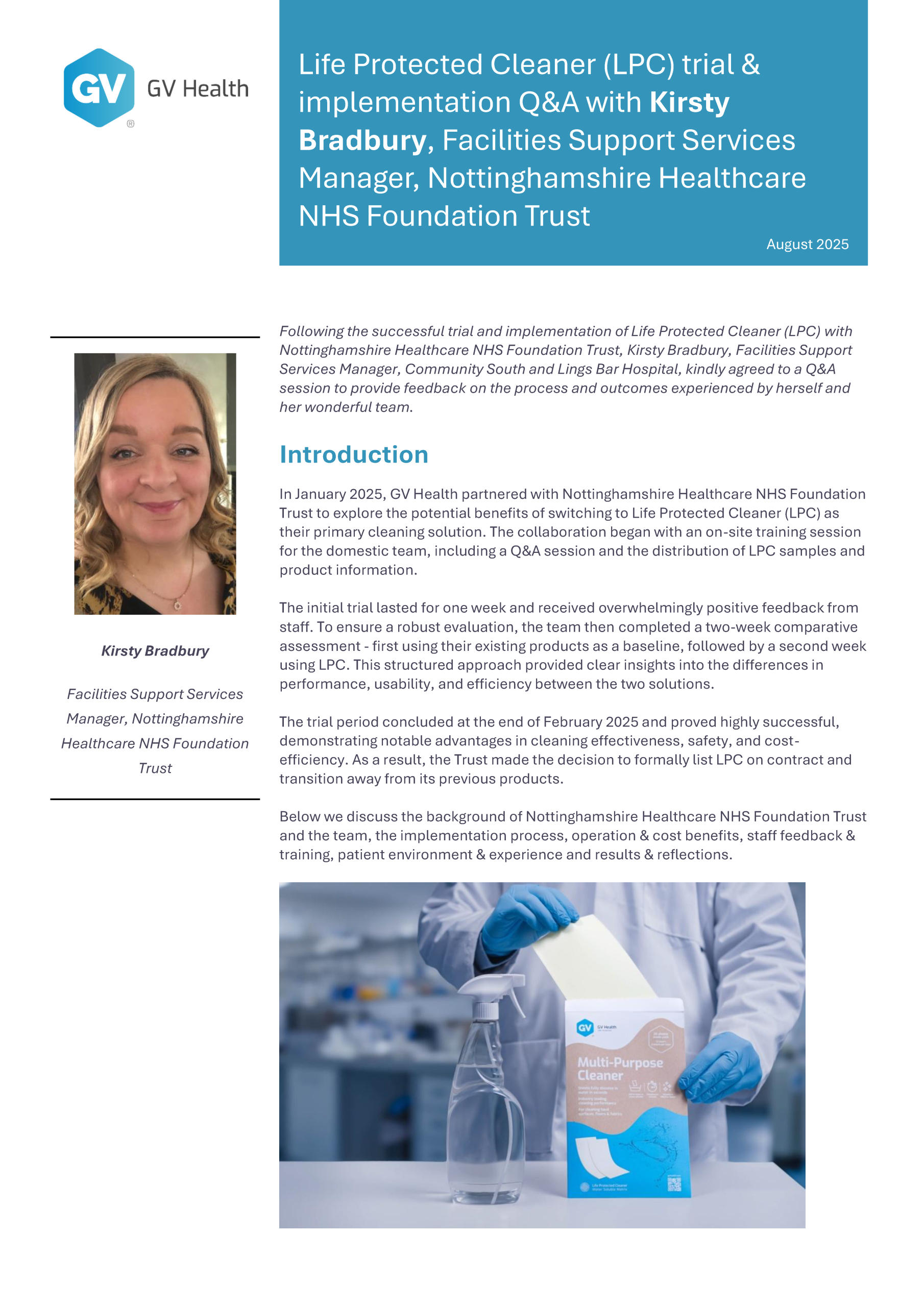
Kirsty Bradbury and her team share their experience of trialling and implementing Life Protected Cleaner, from training and everyday use to cleaning results and cost savings.

In conversation with Kirsty Bradbury
Facilities Support Services Manager, Community South and Lings Bar Hospital, Nottinghamshire Healthcare NHS Foundation Trust.
Following the successful trial and implementation of LPC, Kirsty kindly agreed to discuss the process and the outcomes experienced by her team.
The results at a glance
Up to 68%
Weekly cost savings
Across a number of sites, compared with previous cleaning chemical products.
High audit scores
Standards maintained
The team reported no decline in cleaning audit scores.
Smooth transition
Straightforward training
Staff welcomed the trial and found the instructions easy to follow.
From initial trial to implementation
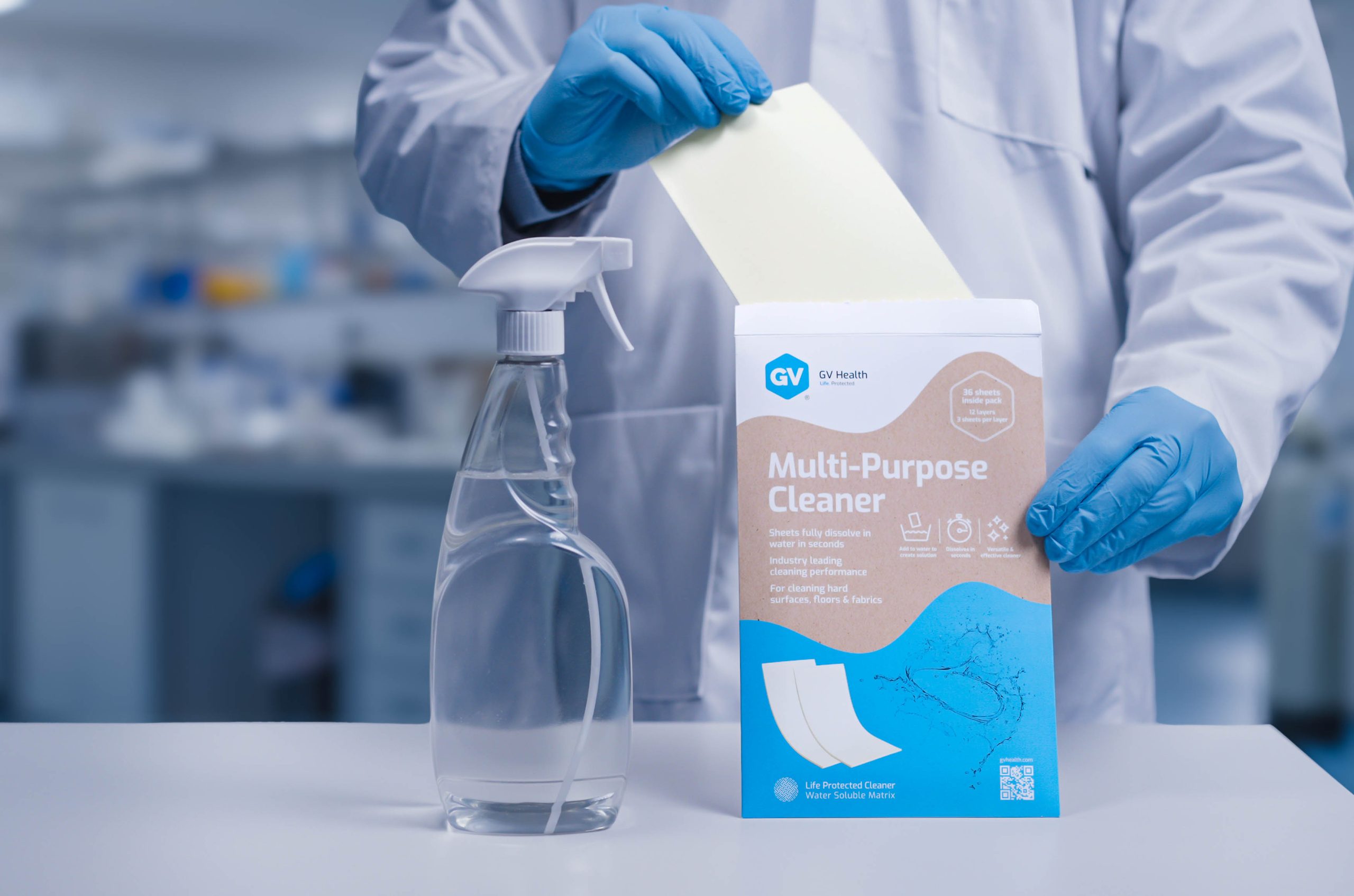
In January 2025, GV Health partnered with Nottinghamshire Healthcare NHS Foundation Trust to explore the benefits of switching to LPC as its primary cleaning solution. The collaboration began with on-site training for the domestic team, a Q&A session and the provision of samples and product information.
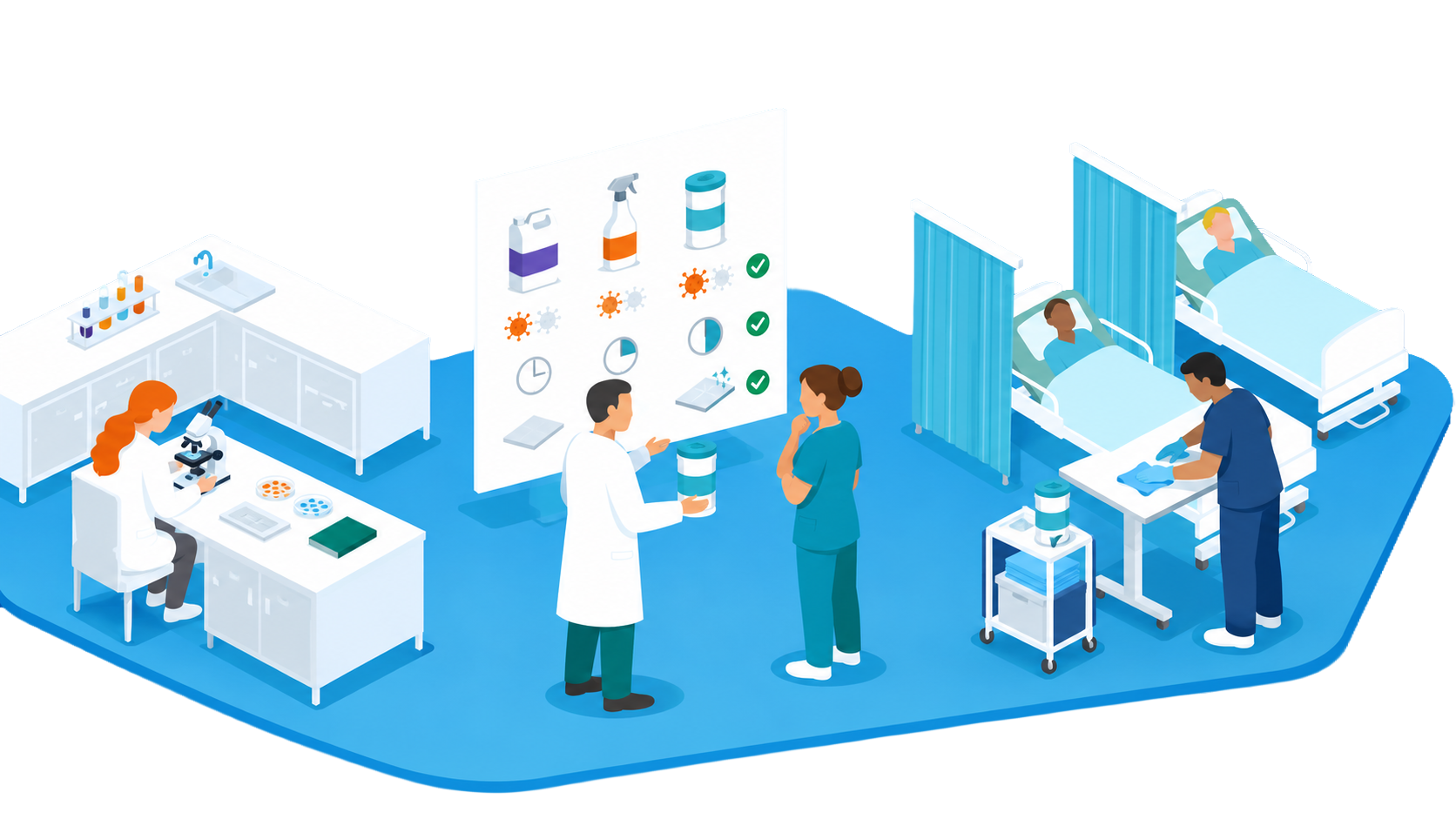
An initial one-week trial received positive staff feedback. The team then completed a two-week comparative assessment: one week using existing products as a baseline, followed by one week using LPC. This provided a structured comparison of performance, usability and efficiency.
The evaluation concluded at the end of February 2025. Following the successful trial, the Trust decided to list LPC on contract and transition from its previous products.
The interview below has been lightly edited for clarity and readability. Organisational details and feedback reflect the time of the interview.
Background: the Trust and its team
Please tell us about Nottinghamshire Healthcare NHS Foundation Trust.
Nottinghamshire Healthcare employs over 11,300 colleagues. We provide intellectual disability, mental health, community health, forensic and offender healthcare services across Nottinghamshire, Leicestershire, Lincolnshire and South Yorkshire.
Services are delivered from over 123 locations, including community and acute settings, and low, medium and high secure environments, including prisons.
As one of the largest mental health and community Trusts in the East Midlands, we provide care to more than two million people a year. We are also home to national and regional services, including the National High Secure Deaf Service and the Nottingham Centre for Transgender Health. Our annual budget is £747 million.
Please tell us about yourself and your role.
I am a Support Services Manager and have worked for Nottinghamshire Healthcare Trust for nearly 30 years, with previous experience in a clinical environment. I manage facilities assistants, catering staff, housekeepers and porters, as well as a supervisor and senior supervisor who manage up to 30 staff.
Tell us about your domestic team and what cleaning means to them.
Our community staff usually work independently in their own areas. We have approximately 20 staff in the community, including five bank staff. They recognise that cleaning is essential to preventing infections from spreading, and their role was particularly apparent during the COVID pandemic.
Staff take satisfaction and pride in their work, especially when they receive positive feedback from clinical staff, patients and visitors, alongside positive audit results.
“They enjoy walking away after their shift and leaving a clean environment for people to walk in to.”
What matters most to the team when choosing cleaning products?
Staff want to clean to a high standard. Important considerations include easy-to-follow instructions, COSHH information and smear-free results on glass and surfaces.
Implementation and cleaning performance
Which areas and services are using LPC?
Areas discussed included patient areas, bedrooms, day rooms, offices, bathrooms and toilets. At the time of the interview, community use included offices, bathrooms, toilets, receptions and outpatient clinic rooms.
What are the functional risk categories of these areas?
The areas identified were FR1 and FR2.
How effective is LPC compared with previous cleaning solutions?
LPC is very effective, easy to use and does not leave smears or marks.
What evidence supports the cleaning results?
Audit scores have remained high, with no decline. Following an efficacy audit in patient areas at Highbury Hospital, toilets and sinks were noticeably cleaner.
Operational and cost benefits
Has LPC reduced the number of products staff need to manage?
Yes. Staff also reported fewer spillages and easier control of the quantities used. The pre-measured sheets remove the need to measure out liquid concentrate before preparing a cleaning solution.
Have there been benefits for procurement, storage or disposal?
The team reported reduced PPE requirements for their tasks and less storage space needed in domestic rooms, freeing space for other stock.
Up to 68% weekly savings
Reported across a number of sites compared with the previous cleaning chemical products.
Has preparation become easier or more efficient?
There is no need to measure liquid chemicals because the sheets are pre-measured. The team also noted that empty packets are recyclable and take up very little space.
Staff feedback and training
How did you and your team find the trial process?
The product was very easy to use, with straightforward instructions. Staff enjoyed taking part and trying a new product. The trial was well delivered, and the transition to using LPC in the community was very smooth.
How easy was the training?
The instructions were very easy to follow.
What the team said
- Great for toilets, foams well and keeps them clean.
- Fewer chemical spills.
- Easy to use, with less waste.
- Very good at removing stains.
- A fresh smell that is not overpowering.
“It was a pleasure using this product.”
Feedback from a team member
Another team member recalled a nurse asking:
“Is it the stairs’ birthday?! Why are they so nice and clean!”
Do staff find LPC safer or easier to use?
Yes. Staff particularly valued avoiding the risk of spilling liquid concentrate during preparation.
Patient environment and experience
Have patients commented on cleanliness or odours?
A patient asked what was being used differently because the area smelled nice and clean.
Results and reflections
What improvements have been observed?
Toilets and sinks are noticeably cleaner, with fewer visible marks.
Would the team recommend LPC to other services?
Yes, including the professional service provided by GV Health and the continued support and feedback.
Are there plans to extend its use?
The team is reviewing the cost implications and potential cost-effectiveness of rolling LPC out to other sites and settings.
What other feedback would you share about the transition?
The transition was very smooth, and contact with GV Health was professional and helpful. Several staff rated LPC highly for ease of use and performance. Fragrance preferences varied, with some staff suggesting they would welcome a more noticeable scent.
A note from the GV Health team
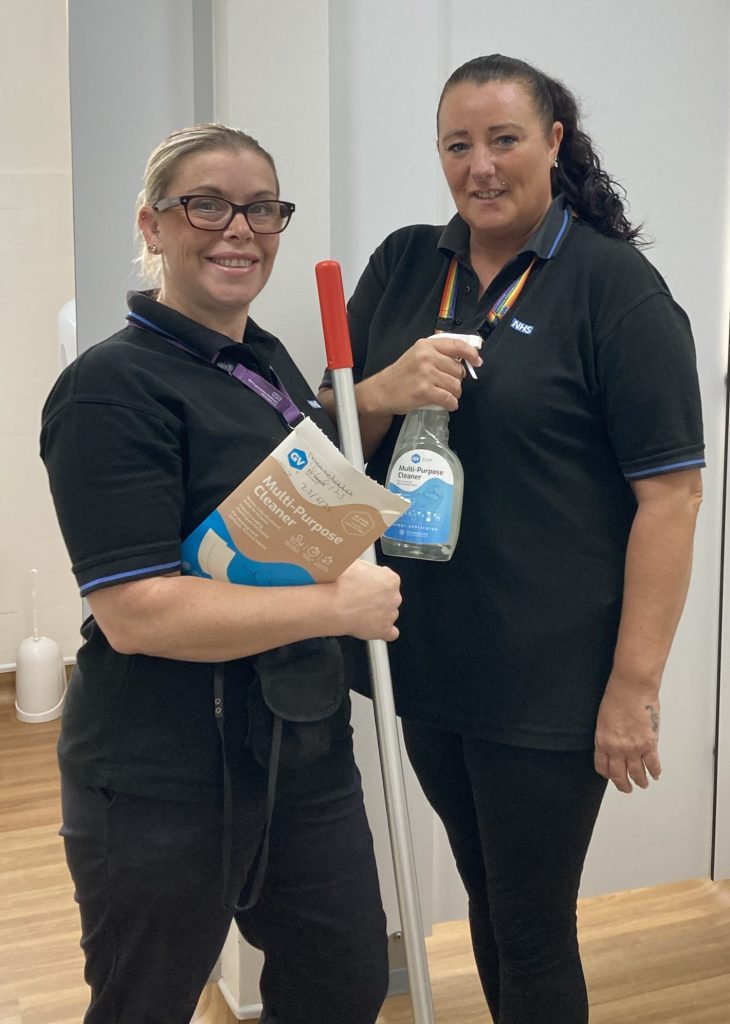
Thank you to Kirsty Bradbury and the domestic team for their openness, enthusiasm and thoughtful feedback throughout the trial. We are delighted to support the team and look forward to continuing our partnership with Nottinghamshire Healthcare NHS Foundation Trust.
Lucy Brauer and Georgia Middleton
Strategic Partnership Team, GV Health
Explore LPC for your organisation
Learn more about Life Protected Cleaner or speak to our team about evaluating it in your own cleaning operation.
Results and feedback relate to the participating sites and the products replaced. Savings and outcomes will vary with local usage, processes and implementation.